MARKET TRENDS
Clean Water Tech Is About to Get Very Expensive
Advanced municipal water treatment set to surge from $25.4B to $61.5B by 2030, fueled by PFAS rules and membrane technology
11 Jun 2026
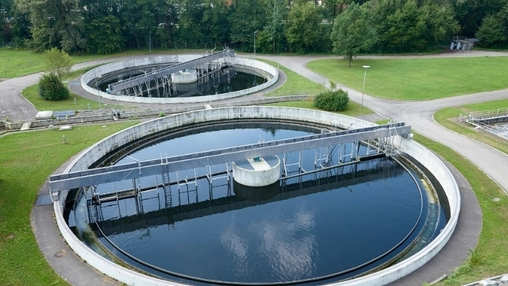
Municipal water treatment is entering an expensive reckoning. A market forecast released this week projects the sector will climb from $25.4 billion in 2024 to $61.5 billion by 2030, a compound annual growth rate of 16.3% that analysts say makes it one of the fastest-expanding segments in global infrastructure.
Regulatory pressure is driving much of the urgency. Across the United States, tightening limits on PFAS contamination, the class of synthetic compounds widely called "forever chemicals," are forcing municipalities to overhaul treatment systems that were never designed to filter them. Utilities that defer upgrades risk compliance failures and mounting public health liability.
New materials and control systems are narrowing the technical gap. Membrane bioreactor platforms using PVDF hollow fibers and silicon carbide membranes have gained rapid adoption for their filtration durability and operational consistency. Paired with SCADA automation and digital monitoring networks, these configurations give operators continuous visibility into treatment performance at a level previously unavailable.
Established players are well-positioned, though not alone in the field. Veolia and Xylem hold significant infrastructure relationships with municipal clients, while DuPont's advanced membrane materials place it at the center of the capital upgrade cycle. Emerging technology providers are intensifying competition, which analysts say has accelerated product development across the sector.
For industrial customers, the shift carries concrete financial consequences. More reliable municipal treatment infrastructure reduces supply disruption risk; digital network integration lowers long-term operating costs for utilities and the businesses they serve. Consumers stand to benefit from more rigorous filtration as compliance standards take hold. With regulatory deadlines converging on aging asset replacement cycles, capital deployment into the sector is expected to accelerate well before 2030.
Related News


SUBSCRIBE FOR UPDATES
By submitting, you agree to receive email communications from the event organizers, including upcoming promotions and discounted tickets, news, and access to related events.